How to Pay with Crypto in Asia
Crypto payments in Asia didn’t appear because of trends or hype. They appeared quietly, out of necessity. Banking limits, frozen cards, delayed international transfers — these problems existed long before crypto became mainstream and forced people to look for alternatives.
By 2024–2025, crypto payments in Thailand and neighboring markets like Indonesia became part of everyday spending. Not everywhere and not for everything, but enough to matter. Rent, short trips, online services, basic operational costs. Stablecoin payments Asia slowly replaced cash exchanges and unreliable foreign cards simply because they worked better.
For travelers and remote workers, understanding how to pay with crypto in Asia is no longer theoretical. In practice, it usually comes down to two things: where crypto is actually accepted, and how using crypto cards in Asia helps when merchants still rely on traditional POS terminals.
Why Crypto Payments Are Growing Across Asia
Asia consistently leads global crypto adoption. Thailand, Vietnam, Indonesia, and the Philippines are no longer just fast-growing markets — they are places where crypto is used in real life, not only traded.
The reasons are mostly practical, and sometimes quite mundane. Mobile payments are already standard, many freelancers and small businesses face banking restrictions, and cross-border income is common. In many cases, crypto is not chosen because it is new, but because other options fail. USDT fits naturally into this environment due to its predictable value and ease of transfer.
Crypto payments in Thailand are most visible in tourist districts, coworking hubs, and online services. This growing usage explains why more users actively search for how to pay with crypto in Asia in a way that works across currencies, borders, and payment systems.
How to Pay with Crypto in Thailand and Indonesia
Across Southeast Asia, crypto is regulated rather than banned. Both Thailand and Indonesia allow digital asset usage through licensed platforms and compliant intermediaries. This structure makes everyday payments possible without legal grey zones.
Crypto payments in Thailand and Indonesia are commonly used in:
- cafes and coworking spaces in Bangkok and Chiang Mai;
- apartments and villas in Bali, especially for short- and mid-term stays;
- travel services, tours, transport, and online bookings.
Tools such as Binance Pay, Bitrefill, and Travala process a large share of these transactions. Binance Pay Thailand is widely recognized among crypto-native users, and similar flows exist in Indonesia. These platforms enable crypto payments in Indonesia while merchants receive local fiat instantly. From the merchant’s side, it looks like a standard payment, even though the user pays in crypto.
Spending Crypto While Traveling in Asia
Most travelers don’t think about “adoption curves”. They think about breakfast, transport, and accommodation. That is where crypto becomes a tool rather than a concept.
In real travel scenarios, people spend crypto while traveling in Asia on:
- hotel bookings and short-term accommodation;
- flights, ferries, and local transport;
- SIM cards, mobile data, and online services;
- food delivery, cafes, and coworking spaces.
USDT, BTC, ETH, and USDC are all used, but stablecoins dominate daily spending. Predictable value matters more than ideology when paying for routine expenses.
Not every merchant accepts crypto, and not every payment is made on-chain. Once a traveler finds a setup that works, however, it tends to stay the same across borders. Many rely on Visa-based tools instead of direct wallet transfers. Platforms like Karta.io help travelers manage costs consistently and act as a practical guide to paying with crypto in Asia, especially for those who travel with crypto Vietnam/Indonesia and face different local rules in each country.
Paying with Bitcoin and USDT in Asia
Bitcoin and USDT are both used across Asia, but rarely for the same type of payment.
Travelers and freelancers pay using BTC and USDT through several methods:
- QR payments supported by local merchants;
- Binance Pay for retail and online purchases;
- Coinbase Commerce for digital services;
- crypto cards that convert assets automatically at checkout.
When users pay with bitcoin in Asia, fees and confirmation times matter. Bitcoin is usually reserved for larger online payments or services where timing is flexible. For frequent, low-value purchases, it is less convenient.
Those who use USDT in Asian countries typically rely on low-fee networks such as TRC20 or Polygon. These are often the cheapest crypto networks (TRC20/Polygon) available for everyday use. This is why many travelers use USDT in Asian countries for rent, travel, and operational expenses, and why people prefer to spend USDT abroad instead of converting back to fiat.
Merchants That Accept Crypto in Asia
The number of merchants that accept crypto in Asia grows fastest in regions with heavy tourist traffic. In these places, crypto payments are treated as a practical option rather than a novelty.
Most crypto-friendly merchants fall into three groups:
- tourism services — hotels, tour agencies, flight and travel bookings;
- digital services — IT, design, marketing, and online subscriptions;
- physical retail — cafes and small shops in Thailand and Bali, especially near coworking hubs.
Travala and Bitrefill accept crypto directly. Booking platforms are often accessed through Binance Pay or crypto cards. In some locations, smaller merchants accept crypto informally via QR codes. From the outside, these transactions look like normal checkouts — a typical example of crypto POS payments Asia in practice.
How to Use Crypto Cards in Asia
Crypto cards simplify everyday payments by converting USDT or USDC into local currency automatically at checkout.
With using crypto cards in Asia, people pay for accommodation, transport, hotels, coworking spaces, advertising, and SaaS tools. This is why many users switch to cards after trying direct wallet payments for a while.
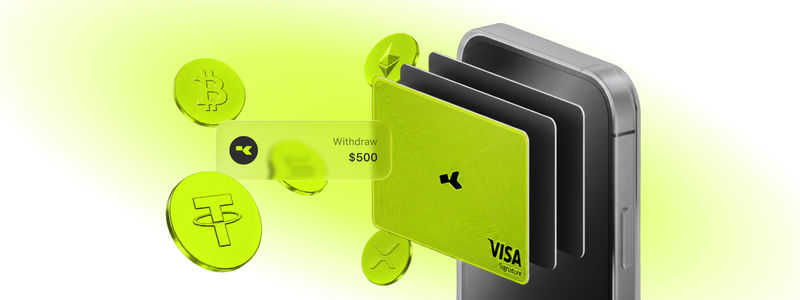
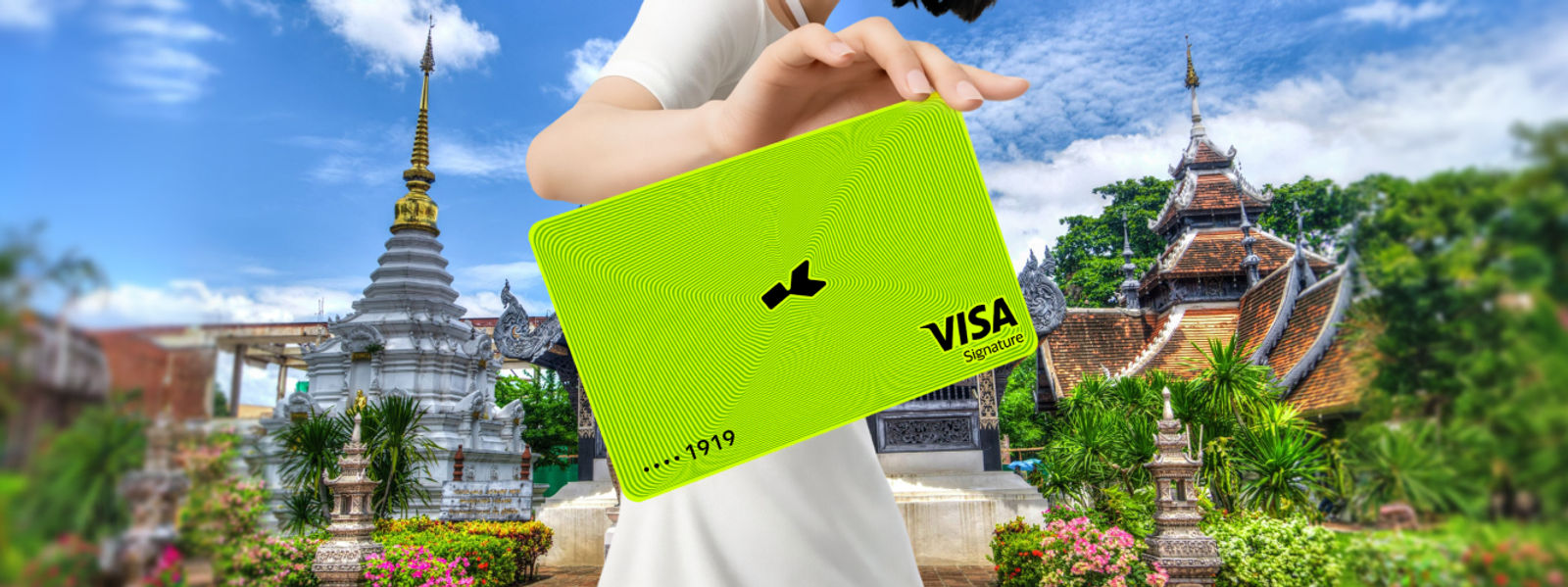
Karta.io offers virtual and physical Visa cards accepted in over 40 million locations worldwide. As a result, crypto travel payments in Asia often rely on card structure rather than direct blockchain transfers. For long-stay travelers, a virtual crypto card for nomads removes the need to adjust payment methods in every new country and becomes one of the more reliable smart payments for expats.
Using Karta.io for Payments and Travel Expenses in Asia
Karta.io is designed for people who don’t stay in one place. Karta.io enables travelers, freelancers, and businesses to use crypto across Asia — fund your account with USDT/USDC and spend instantly via Visa anywhere in Thailand or Indonesia.
The platform provides:
- instant Visa Business Card issuance (virtual and physical);
- support for eight networks, including TRON, Polygon, Arbitrum, and Base;
- low fees: 0.5% deposit fee and 0% card issuance;
- full compliance through Banco Popular de Puerto Rico (Visa).
For many users, this setup works as a reliable crypto Visa card Thailand and a practical digital nomad crypto card Asia for everyday expenses. It supports USDT payments with Visa and fits naturally into broader digital payment solutions for nomads who need predictable crypto-to-fiat spending. Many users adopt this as their default way of using crypto cards in Asia.
Step-by-Step Guide to Paying with Crypto in Asia
Most users follow a simple routine:
- Choose a provider such as Binance Pay, BitPay, or Karta.io.
- Complete KYC once.
- Deposit USDT or USDC (TRC20 is usually cheapest).
- Pay via QR code or Visa network.
- Track spending in real time.
This guide to paying with crypto in Asia works across multiple countries and reduces friction when moving between them.
Benefits of Using Crypto over Traditional Payment Methods
Crypto payments remove much of the friction associated with traditional banking. International fees are often avoided, card blocks are less frequent, and conversions from USDT to local currencies happen quickly and predictably. For freelancers and small teams, setup is usually simpler and independent of local banks. For many expats, this is not about technology — it is about having a payment method that works reliably.
Final Thoughts — Crypto Payments Go Mainstream in Asia
Asia is slowly turning crypto into a daily payment tool — unevenly, but consistently. Stablecoins and Visa-based solutions are driving that shift across Thailand, Indonesia, Vietnam, and nearby markets.
Pay and travel with crypto in Asia easily — Karta.io lets you spend USDT instantly anywhere Visa is accepted.