The Digital Nomad's Guide to Paying for Everything in Thailand with a Virtual Crypto Card

Thailand has been on the digital nomad shortlist for over a decade — and the case for it keeps getting stronger. Fast internet, co-working spaces in every neighbourhood, street food that costs less than a coffee in most Western cities, and a lifestyle range that goes from $800-a-month Chiang Mai simplicity to Bangkok penthouse-and-rooftop-bar territory. Most nomads find their sweet spot somewhere around $1,150–$1,600 per month, split between a productive northern base and occasional island or city escapes.
The one thing Thailand doesn't make seamlessly easy: spending your crypto income without friction along the way.
If you earn in USDT or USDC, every payment in Thai baht involves a conversion step — and how you handle that step determines how much of your income actually goes toward living versus vanishing into fees and spreads. Karta.io makes that step as clean as it gets: top up your stablecoin balance, get a virtual Visa card, and spend at 1.5% per transaction wherever Visa is accepted in Thailand and across the world.
This guide covers everything you need to know.
Thailand's Crypto Landscape in 2026: The Context
Thailand has built one of Southeast Asia's clearest frameworks for digital asset usage. Crypto is legal to hold, trade, and use through licensed intermediaries. The Thai government even launched TouristDigiPay — a scheme that enables tourists and digital nomads to convert crypto into baht via licensed platforms — reflecting the country's view of crypto-native travellers as a strategic growth segment for tourism.
While direct crypto-to-merchant payments aren't part of the standard retail infrastructure, crypto cards that convert to THB through the Visa network are fully compatible with the existing payment ecosystem. The merchant receives fiat. You spend from your stablecoin balance. Thailand's ATMs charge approximately 220 baht per withdrawal — using a crypto Visa card for direct card payments sidesteps those fees entirely.
Over 8 million Thais already hold crypto. Chiang Mai, Bangkok, and Phuket have some of the most crypto-aware expat and nomad communities in Southeast Asia. The infrastructure is ready.
Why Karta.io Is the Right Tool for Thailand
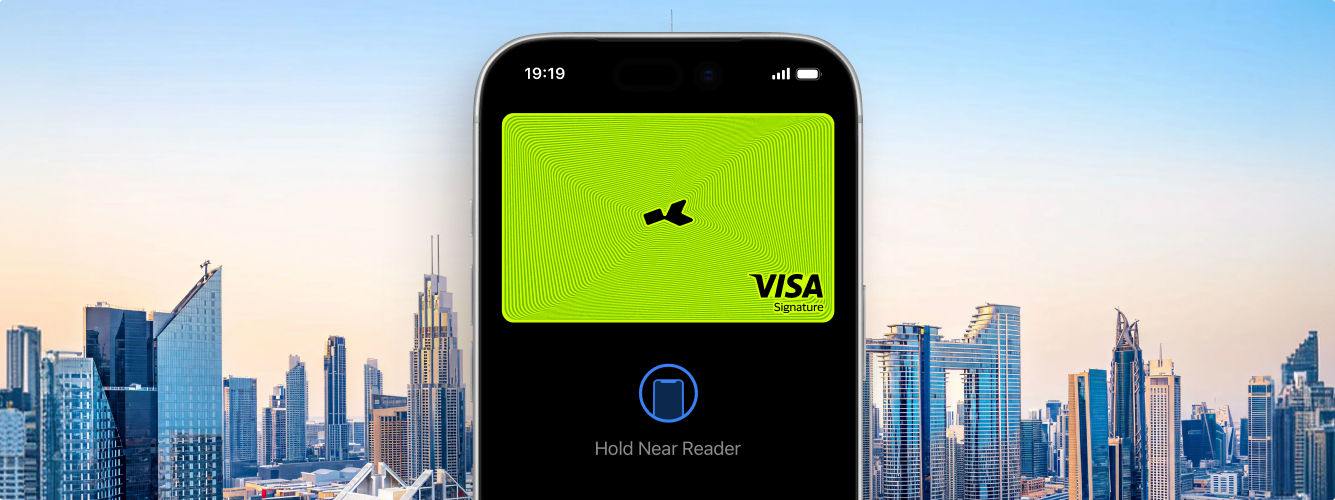
Karta.io is a virtual Visa card funded by USDT or USDC. You top up your balance from any supported crypto wallet, and spend wherever Visa is accepted — at restaurants, co-working desks, accommodation platforms, SaaS subscriptions, flights, and more. Conversion from stablecoin to THB happens automatically at the point of payment. You see a real-time balance update. The merchant sees a standard Visa transaction.
For digital nomads and freelancers based in Thailand, this creates one clean workflow: stablecoin income → Karta.io balance → Visa card → spend. No manual exchange step. No waiting for off-ramp transfers. No P2P spreads. No conversion service with its own markup.
Karta.io Fees: Full Breakdown
All Karta.io pricing is published on the official help center. Here's everything in one place:
Account Top-Ups
Card Payments & Spending
Sending Funds
💡 Standard Visa charge: Visa applies an additional 1% international transaction fee on all payments made in currencies other than USD. This is a Visa network standard, separate from Karta's own fees, and applies across all Visa cards globally.
What this means for a Thailand-based nomad:
On a $1,500/month card spending budget, your total cost with Karta.io is approximately $22–$37 (1.5% Karta fee + 1% Visa network fee on THB-denominated transactions). If you top up via Polygon, Base, BSC, Arbitrum, Solana, or Ethereum, your deposit is free. The main cost is the per-transaction percentage — predictable, documented, and competitive against most conversion alternatives.
City by City: What You'll Actually Pay For
🏙️ Bangkok
Thailand's capital has everything — and it accepts Visa almost everywhere worth going. Here's where Karta.io works for a Bangkok-based nomad:
Accommodation: Bangkok one-bedroom apartments in the city centre average around 22,000 THB ($660)/month, with options in outer areas at half that. Most modern condo complexes accept card payments for monthly rent or can be booked via platforms that do. Co-living spaces with coworking access start around $650–$1,100/month on platforms like Outsite.
Co-working spaces: Bangkok has a dense co-working scene — Common.co, Hubba, The Hive, and dozens more. Monthly memberships range from 7,000–9,000 THB/month and all accept Visa.
Food and dining: Local restaurants and most mid-range spots accept card. Western restaurants typically run 150–300 THB per meal. Delivery via Grab Food and LINE MAN is card-native.
Transport: BTS Skytrain and MRT accept contactless Visa at an increasing number of gates. Grab rides — the regional Uber equivalent — accept Visa cards throughout Bangkok.
Online shopping: Shopee and Lazada, Thailand's two dominant e-commerce platforms, accept Visa. Karta.io works for both.
🏔️ Chiang Mai
The original digital nomad capital of Southeast Asia. Chiang Mai offers exceptional quality of life, with the average digital nomad spending just $1,100 per month for a comfortable lifestyle including nice accommodation, frequent dining out, coworking spaces, and activities — 37% lower costs than Bangkok while maintaining modern amenities.
Accommodation: Modern apartments start at 7,500–15,000 THB ($225–450) monthly. Most longer-stay rentals accept card or can be paid through booking platforms.
Co-working spaces: Punspace (Nimman), Yellow, CAMP, and dozens of others run monthly memberships at 3,000–6,500 THB/month, all card-accepting. Many cafés in Nimman and the Old City are laptop-friendly and accept Visa.
Street food vs. restaurants: A plate of khao soi at a local spot costs 60–80 THB. Western café dishes run 150–300 THB. Most sit-down restaurants in tourist and nomad areas accept Visa — Karta.io handles all of them.
Grab: Operates throughout Chiang Mai and accepts Visa directly.
Activities: Muay Thai gyms, yoga studios, cooking classes, weekend temple excursions — most tourist-adjacent activity providers accept card.
🏖️ Phuket, Koh Samui & the Islands
Island living runs on Visa in tourist areas. Accommodation ranges from 10,000–25,000 THB/month in Phuket, with strong card acceptance in Patong, Kata, and Karon. Koh Samui and Koh Phangan offer more cash-dependent local markets — keep some baht on hand for those — but hotels, dive centres, restaurants, and booking platforms all work with Karta.io.
The Full Nomad Spending Stack: What Karta.io Covers in Thailand
Category
Examples
Karta.io works?
Accommodation
Condos, co-living, hotel bookings
✅ Yes
Co-working spaces
Punspace, Common.co, Hubba, Dojo
✅ Yes
Food & dining
Restaurants, cafés, hotel restaurants
✅ Yes
Delivery apps
Grab Food, LINE MAN, Foodpanda
✅ Yes
Ride-hailing
Grab
✅ Yes
Flights
Thai Airways, Bangkok Airways, Air Asia
✅ Yes
Online subscriptions
Figma, Notion, Zoom, Adobe, Slack
✅ Yes
E-commerce
Shopee, Lazada, Amazon
✅ Yes
Health & gyms
Muay Thai, yoga studios, clinics
✅ Yes (most)
ATM cash withdrawals
7-Eleven ATMs, local ATMs
✅ 1 USDT + 2.5%
For markets, motorbike rental deposits, and small street vendors, cash is still practical. Thailand's ATMs are everywhere — and if you do need to withdraw, Karta.io supports it at 1 USDT + 2.5% per successful withdrawal.
The Freelancer Flow: USDT to Thai Baht Without the Detour
Here's the complete payment cycle for a freelancer earning in stablecoins and living in Thailand:
- Client pays in USDT — to your wallet or via a platform
- You top up Karta.io — free via Polygon, Base, BSC, Arbitrum, Solana, Ethereum, or Optimism
- Balance updates instantly — real-time tracking in the Karta dashboard
- You spend in THB — at your co-working desk, a Nimman café, Grab, Shopee
- Per-transaction cost: 1.5% Karta + 1% Visa network on non-USD purchases
No exchange account to log into. No off-ramp queue. No P2P spread. No conversion service with a markup that shifts depending on the day.
For a typical Chiang Mai month — $1,100 total budget, roughly $800 on card — the total Karta.io cost is approximately $12–$20 for the month. That's the price of a single co-working day pass.
Getting Started with Karta.io
- Sign up at karta.io — via web or Telegram
- Complete KYC — approximately 5 minutes
- Issue your virtual Visa card — 5 USDT, ready immediately
- Top up your balance — free via Polygon, Base, BSC, Arbitrum, Solana, Ethereum, or Optimism
- Start spending — Bangkok, Chiang Mai, Phuket, and everywhere else Visa works in Thailand and worldwide
Who Gets the Most from Karta.io in Thailand
- Freelancers getting paid in USDT or USDC who want to spend directly without manual conversion
- Remote employees whose salary arrives in stablecoins
- Digital nomads moving between Bangkok, Chiang Mai, and the islands
- Long-stay travellers who want a card that's ready before anything else is
- Anyone running a $1,000–$2,500/month Thailand lifestyle from a stablecoin balance
Bottom Line
Thailand remains one of the world's best places to live and work remotely — and its payment infrastructure has caught up to where nomads already are. Visa is accepted at co-working spaces, restaurants, accommodation platforms, delivery apps, and booking services across Bangkok, Chiang Mai, and the islands.
With Karta.io, your USDT or USDC becomes a working Visa card in minutes. Top up for free on most networks. Spend at 1.5% per transaction. No monthly fees. No minimum balance. No off-ramp detours.
You planned your Thailand move carefully. Your payment setup should be just as clean.