How to Pay with Crypto in Dubai
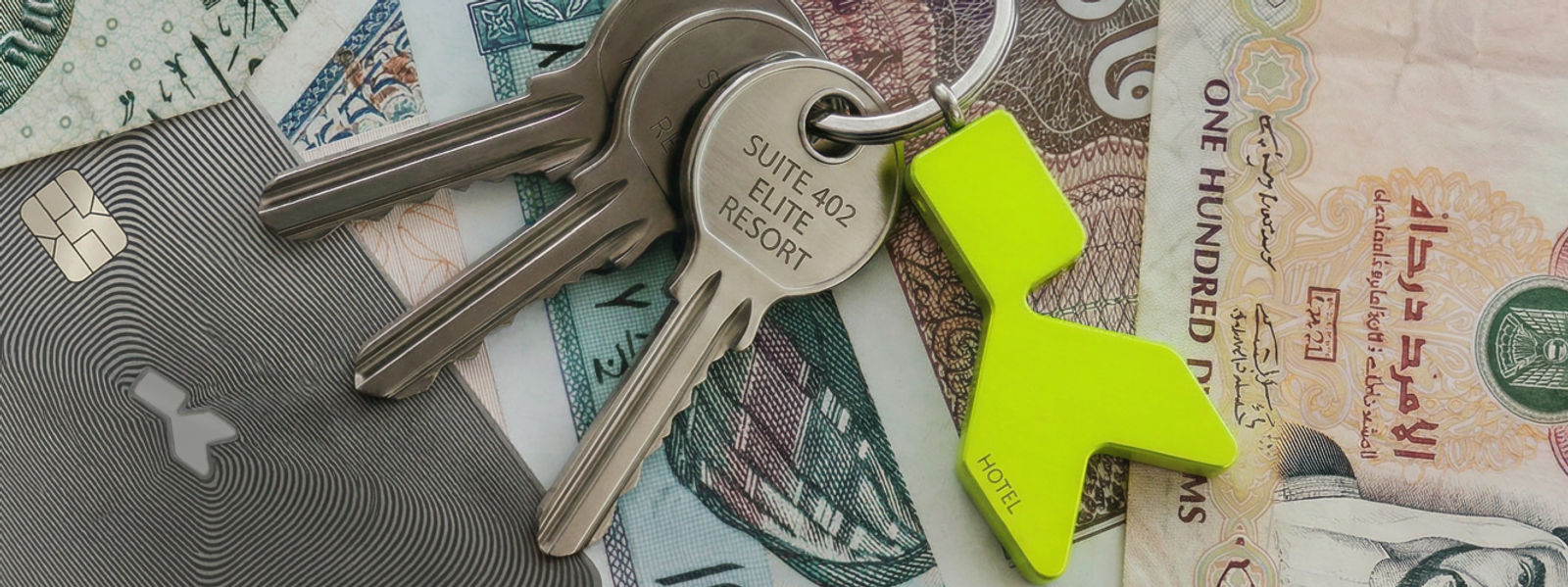
Dubai did not become a crypto-friendly city overnight. The shift happened gradually, driven by regulation, infrastructure development, and sustained demand from international users. By 2026, paying with crypto in the UAE is no longer a workaround or an experiment. For many residents, expats, and digital nomads, it has become part of everyday financial life.
In practice, how to pay with crypto in Dubai usually comes down to three factors: where crypto is accepted directly, how card-based payments are processed, and how local tax and compliance rules apply to different user profiles. Once these elements are understood, crypto payments stop feeling complex and start functioning like any other modern payment method.
Can You Pay with Crypto in Dubai?
A common question among newcomers is “Can I pay with crypto in Dubai legally?”. The short answer is yes — but within a defined regulatory framework.
Cryptocurrencies are not legal tender in the UAE. At the same time, their use as a means of payment is permitted through licensed platforms and regulated providers. Dubai follows a blockchain-friendly approach supervised by the Virtual Assets Regulatory Authority (VARA). The objective is controlled adoption rather than restriction.
Today, pay with crypto in Dubai scenarios are common across real estate, tourism, professional services, and cross-border payments. In most cases, crypto acts as a settlement layer, while contracts and pricing remain denominated in AED or USD.
How to Pay Rent with Crypto in Dubai
Real estate was one of the first sectors to adopt crypto payments in the UAE. Many long-term residents already pay rent with crypto, most commonly using stablecoins such as USDT.
Several developers and real estate agencies cooperate with licensed crypto payment processors. Projects linked to major developers such as DAMAC or Ellington have supported crypto-based settlements through compliant intermediaries, allowing tenants to pay with crypto in Dubai without bypassing local regulations.
In practice, the structure is straightforward:
- rent is priced in fiat;
- payment is made in USDT or BTC at the current market rate;
- settlement is processed by a regulated provider.
This model ensures transaction security and legal clarity. Contracts remain fiat-denominated, while crypto is used purely as a settlement method. For anyone considering how to pay in crypto for housing, stablecoins remain the preferred option due to predictable value and simpler accounting.
How to Pay for Hotels and Travel Services Using Crypto
Travel is one of the most established crypto use cases in Dubai. Many visitors already pay hotel with crypto, especially when booking accommodation or transport through international platforms.
Several global services support crypto payments for hotels, flights, and car rentals. Platforms such as Travala accept direct payments in Bitcoin and USDT. Booking and Expedia can be used through crypto cards or integrated payment solutions, while Binance Pay is commonly used for travel-related expenses across supported merchants.
In practice, travelers pay with crypto in two main ways. Some platforms accept blockchain payments directly, while others rely on crypto cards that convert assets at the point of sale. This explains how do you pay with crypto while traveling: the transaction is processed through standard payment rails, even if the underlying balance is held in digital assets.
For the end user, the experience remains familiar. Payments feel identical to traditional card transactions while offering greater flexibility for those holding Bitcoin, USDT, or other cryptocurrencies.
How to Pay for Daily Purchases with Crypto in UAE
For most residents, everyday spending is where crypto becomes genuinely useful. Retail stores, cafes, online platforms, service providers, and education services increasingly support digital payments, either directly or through intermediaries.
In practical terms, pay with crypto for daily purchases usually happens via Visa or Mastercard rails. Crypto card services that allow users to top up balances with USDT or USDC — similar to solutions discussed later in this article — make it possible to spend digital assets at any POS terminal, both online and offline. From the merchant’s perspective, the transaction looks like a standard card payment. For the user, it is a direct way to use crypto without manual conversions.
This structure explains how to pay with crypto for common expenses such as subscriptions, utilities, and cross-border services. It also clarifies how to pay in crypto in environments that do not accept blockchain payments natively. For freelancers and remote workers, card-based spending remains the simplest way to manage everyday expenses across the UAE.
Taxes on Crypto Payments in Dubai
Tax treatment remains one of the strongest drivers behind Dubai’s crypto adoption. A frequent question is how much tax do you pay on crypto in the UAE.
For individuals, the framework is clear:
- no personal income tax;
- no capital gains tax on crypto;
- no additional tax triggered by paying with crypto.
For companies, the situation is more structured. Businesses must hold valid licenses, maintain accounting records, and comply with reporting obligations. While the UAE operates a largely 0% tax regime, compliance is not optional. In practice, how much taxes do you pay on crypto may depend on the source of funds, activity type, and legal structure of the business. Proper documentation remains essential.
How to Pay Seamlessly with Karta.io
For users who value simplicity and regulatory clarity, Karta.io offers a structured way to handle crypto-based payments without relying on direct wallet transfers. Payments are routed through established card structure accepted across the UAE and internationally.
Karta.io allows you to fund your account with USDT/USDC and use virtual Visa Business Cards to pay for rent, hotels, subscriptions, and ads globally.
This approach fits within VARA policy and avoids compliance risks often associated with peer-to-peer crypto payments.
From a practical standpoint, the service is designed for everyday and operational use. It supports:
- multiple blockchain networks, including TRON, Polygon, and Arbitrum,
- instant virtual card issuance,
- streamlined KYC aligned with UAE compliance standards.
Once activated, the cards function like any other Visa product. They can be used online and at physical POS terminals, including in Dubai, where a crypto Visa card is increasingly common for routine spending. The setup reflects the broader shift toward digital payments with stablecoins, allowing users to spend crypto in UAE efficiently, including through a crypto payment card for travel and business expenses.
Legal & Compliance Considerations
Dubai’s crypto system is structured rather than permissive. Oversight bodies include VARA in Dubai, ADGM in Abu Dhabi, and DFSA within DIFC.
KYC and AML procedures apply to larger transactions and ongoing account activity. Using licensed card providers ensures traceability and regulatory alignment. For most users, card-based spending remains the safest and most predictable way to use crypto Visa in Dubai under current regulations.
Final Thoughts — Crypto Payments Are the Future of Dubai
Dubai did not become a crypto hub by accident. Regulation, infrastructure, and tax policy were built with international users in mind.
For anyone earning, holding, or spending digital assets, the ability to pay with crypto in a predictable and compliant way is no longer a future promise. It is already part of how the city works.
Start paying in crypto today with trusted tools like Karta.io.