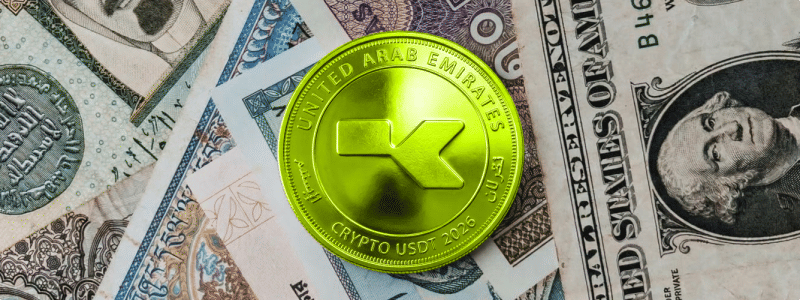
How to Pay with Crypto in MENA

In MENA, people usually turn to crypto when something does not work with banks. A transfer takes too long. A card gets declined. A payment needs to go through today, not next week. In these situations, crypto becomes a tool, not an idea.
This guide explains how to pay with crypto in MENA using payment methods that already work in real life. It focuses on everyday spending across the UAE, Saudi Arabia, Qatar, Lebanon, Morocco, and nearby markets. The goal is simple: show how people actually pay for services, travel, and business expenses using crypto, without theory or unnecessary complexity.
Why Crypto Payments Are Growing in MENA
Most users in the region do not plan to switch to crypto payments in advance. They usually arrive there after trying traditional options. Bank transfers are slow. International cards fail outside their home country. Fees keep changing without warning.
Stablecoins solve many of these issues. USDT and USDC are widely used because they offer stable pricing and predictable settlement. This is why crypto payments in UAE and MENA are mostly based on stablecoin payments in the Middle East rather than volatile assets.
Regulation also matters. Dubai operates under VARA, Abu Dhabi through ADGM, while Saudi Arabia oversees financial activity via SAMA. These frameworks do not promote crypto directly, but they make usage clearer. For many users, this clarity answers the question of how to pay with crypto in MENA without risking blocked payments or compliance problems.
Where You Can Pay with Crypto in the Middle East
Crypto payments across the Middle East look similar in practice, even though local rules differ. The most common use cases include e-commerce, real estate transactions, tourism services, and freelance or remote work payments.
In the UAE, especially Dubai, crypto is widely used for digital services, travel bookings, and selected offline purchases. Wallet payments and cards are both common. Alongside Binance Pay and BitOasis, Karta.io offers instant Visa crypto cards for UAE and MENA users looking to spend USDT and USDC globally.
In Saudi Arabia, direct merchant acceptance remains limited, but usage continues. Many residents and expats still pay with crypto in Saudi Arabia through international crypto cards or structured OTC solutions for larger transactions.
In Qatar, crypto is mainly used for online services, subscriptions, and international platforms that do not always work smoothly with local cards. In these situations, users often pay with crypto in Qatar through global card solutions that handle conversion automatically.
Lebanon follows a similar pattern for different reasons. Restricted access to traditional banking pushes many users toward alternative payment methods. As a result, people increasingly pay with crypto in Lebanon for cross-border crypto transactions and recurring online expenses.
In Morocco, crypto payments are mostly tied to online platforms, travel services, and international spending. Crypto cards are commonly used to bypass local currency limits and simplify cross-border crypto transactions.
Paying with Bitcoin, USDT, and Other Cryptos in Dubai
Dubai remains the most developed crypto market in the region. Bitcoin is often used for larger purchases, while stablecoins cover everyday spending.
When users pay with Bitcoin in Dubai, merchants usually do not receive BTC directly. Conversion happens instantly at checkout. The merchant receives fiat, while the user spends crypto without manual steps.
For daily expenses, most residents prefer to spend USDT in Middle East markets. Stablecoins behave like digital cash and integrate easily with cards, making them suitable for rent, services, and operational costs. This reflects the broader trend of Bitcoin and USDT for daily spending.
Merchants Accepting Crypto in MENA
Crypto acceptance by businesses continues to expand, often without visible crypto branding. Typical examples include:
- Real estate firms such as Damac and Ellington.
- Cafes and restaurants in Dubai using Binance Pay.
- E-commerce platforms like Bitrefill and Travala.
Behind the scenes, many of these companies rely on stablecoin settlement. This is why merchants accepting crypto in MENA increasingly support USDT and USDC, even when customers pay through card-based solutions.
How to Make Crypto to Card Payments in MENA
For most users, crypto-to-card payments are the easiest option. These cards convert crypto into fiat automatically and work anywhere Visa is accepted.
At the moment of payment, USDT is exchanged into AED or USD instantly. From the merchant’s side, the transaction looks like a standard card payment. This explains the growing use of crypto to card payments in MENA.
This setup also allows users to spend USDT in Middle East countries while traveling, without switching wallets or managing multiple currencies — supporting a more cashless economy in the UAE and MENA.
Using Karta.io for Crypto Payments Across MENA
Karta.io allows users and businesses to fund their accounts with USDT or USDC and spend globally via Visa — perfect for UAE and MENA users.
The platform supports eight networks, including Tron, Ethereum, Polygon, and Arbitrum. Visa cards are issued instantly in virtual and business formats. Deposit fees start at 0.5%, with no issuance fees. Built-in analytics and MCC limits help manage spending on travel, advertising, and operational costs.
Karta.io operates with full compliance and banking support from Banco Popular de Puerto Rico (FDIC). It fits use cases such as a crypto Visa card in the UAE, stablecoin usage in MENA countries, and crypto cards for business payments.
Step-by-Step Guide to Paying with Crypto in MENA
A typical payment flow looks like this:
- Choose a regulated platform such as Binance, OKX, or Karta.io.
- Complete account verification (KYC/AML).
- Fund your wallet with USDT or BTC.
- Select a preferred network such as TRC20 or Polygon.
- Pay via QR code or Visa card.
This guide to using crypto in MENA reflects how payments work in real conditions.
Legal and Tax Landscape in the Region
The UAE provides the clearest framework. Crypto payments are regulated, and personal crypto use is subject to a 0% tax rate. In Saudi Arabia, Qatar, Lebanon, and Morocco, regulation remains less defined, but card-based crypto spending is generally permitted.
Because of this, crypto cards are often the safest option. Topics such as MENA crypto regulations 2026, Dubai VARA compliance, and how crypto payments are taxed in the UAE continue to influence how users choose payment methods.
Future of Crypto Spending in the Middle East
The next stage of crypto spending in the region focuses on stablecoins, CBDC integration such as the Digital Dirham, and wider adoption of crypto invoicing. Businesses are moving toward multicurrency accounts that combine crypto and fiat without manual conversion.
For everyday users, this shift supports broader Web3 payments in the Middle East and faster cross-border spending.
Conclusion — Simplify Crypto Payments Across MENA
For many users in MENA, crypto payments are no longer something new. They are used because they solve a specific problem. When a payment needs to go through, reliability matters more than technology.
Simplify your digital payments across MENA with Karta.io — fund with USDT and spend seamlessly anywhere Visa is accepted.
Crypto has become a practical payment option for travel, business operations, and everyday spending.