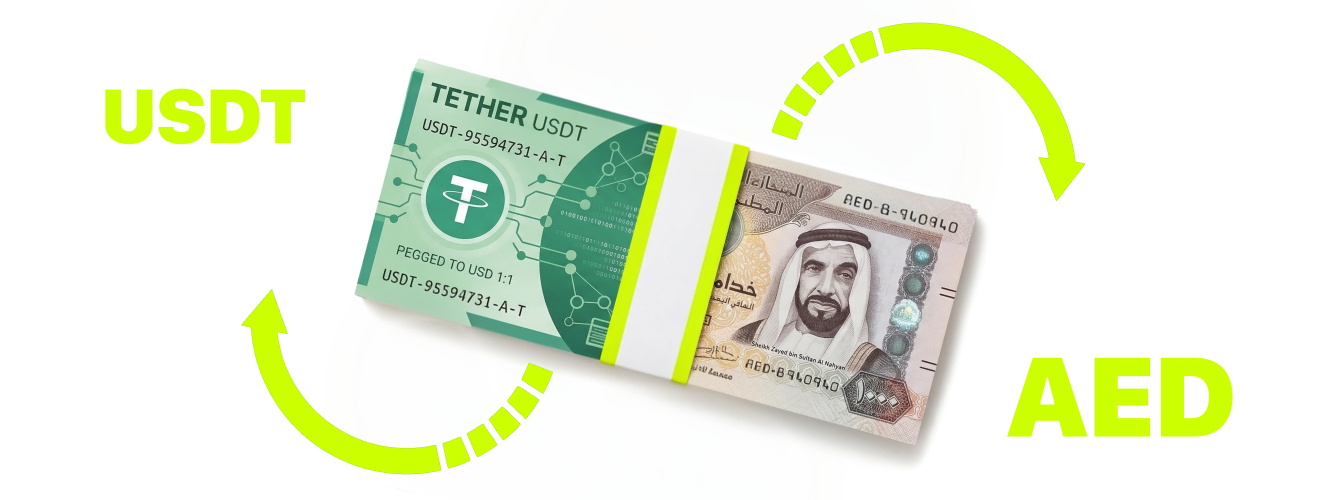
Best Crypto Cards for Travel 2026
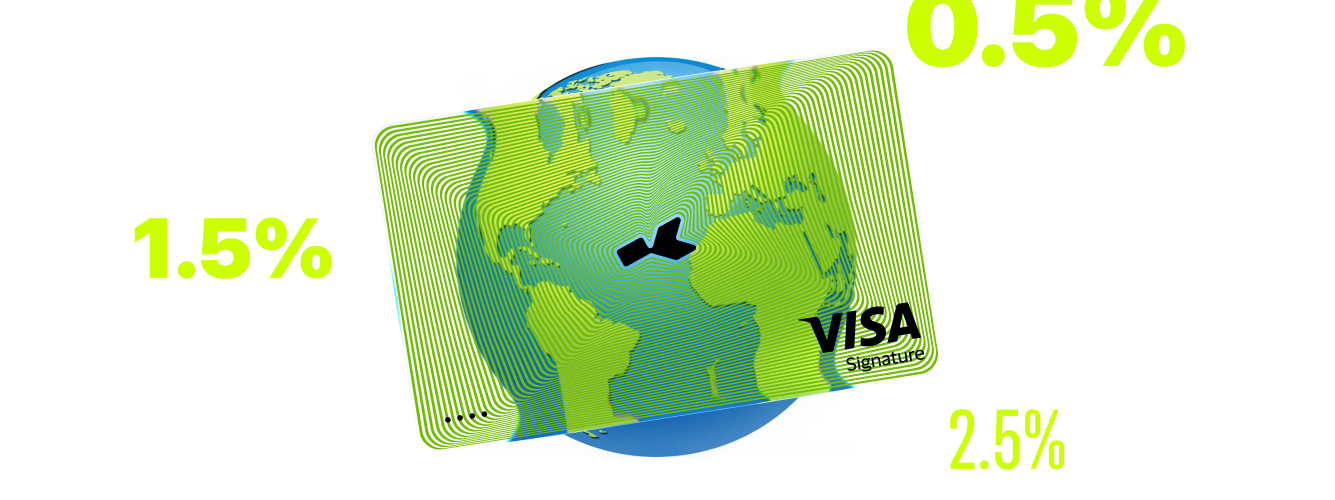
Travel payments continue to evolve as more people work remotely and move across borders. By 2026, international freelancers, digital nomads, and frequent travelers increasingly rely on best crypto cards for travel to manage expenses abroad without depending on traditional banks. Instead of pre-converting funds or dealing with multiple currencies, crypto cards allow users to pay directly from their digital asset balances while maintaining global Visa or MasterCard acceptance.
Using crypto for travel spending is no longer niche. Stablecoins, instant conversion, and transparent fee structures make crypto cards practical for everyday expenses, long trips, and cross-border business activity. Understanding how these cards work, how fees are applied, and which solutions perform best in real travel scenarios is now essential.
Why You Need a Crypto Card for Travel
Traveling with crypto cards offers clear advantages compared to traditional payment methods. The main benefit is cost efficiency. Instead of paying repeated FX markups, users convert crypto to fiat only at the point of payment. This reduces unnecessary losses and improves budget control.
Another advantage is flexibility. A bitcoin debit card for travel or a stablecoin-based card works across borders without relying on local banks. Payments remain consistent whether spending in Europe, Asia, or the Middle East.
There is also a functional difference between crypto debit and prepaid Visa or MasterCard products. Prepaid cards require manual top-ups, while crypto debit cards draw directly from digital balances. For long trips and frequent travel, best crypto cards for travel provide more convenience and fewer operational steps.
How Crypto Cards Work Abroad
Crypto cards use a straightforward payment mechanism. When a transaction is initiated, USDT or BTC is converted into local fiat instantly, and the merchant receives a standard card payment. The user experiences the same checkout flow as with a traditional card.
This structure enables crypto cards for international payments with global coverage and multi-currency support. Hotels, airlines, coworking spaces, and online platforms accept payments without any additional steps from the user. Travelers can spend crypto abroad with card functionality while avoiding wallet management or manual conversions.
From a security perspective, this model reduces exposure by limiting the amount of fiat held during trips. For travel and business trips alike, instant crypto payments abroad offer a controlled and predictable spending process.
Top Crypto Debit Cards in 2026
Several providers dominate the travel crypto card segment in 2026, offering different approaches to crypto cards for international payments and everyday spending abroad. These solutions are commonly compared when users look for the top crypto debit cards 2026 with predictable fees and global acceptance:
- Karta.io Visa Business Card is frequently cited as one of the strongest options for travelers and digital professionals. It supports USDT and USDC funding, charges a transparent 0.5% deposit fee, and provides instant Visa issuance. With virtual and physical cards, it works as a multi-currency crypto card suitable for travel, SaaS subscriptions, and corporate expenses, making it a practical choice for users who need a best crypto card for everyday spending while abroad.
- Binance Card is primarily used by active exchange customers. It allows spending in euros and USDT directly from exchange balances, which appeals to users who want to spend crypto abroad with card functionality without moving funds between platforms. This option is often chosen by traders who travel frequently within supported regions.
- Crypto.com Card focuses on rewards and lifestyle benefits. Cashback tiers and airline-related perks attract frequent flyers looking to combine travel spending with loyalty incentives. While fees are competitive, access to higher rewards depends on staking, which may not suit every travel profile.
- BitPay Card remains a recognizable option for users traveling from or within the United States. It offers straightforward crypto-to-fiat conversion and fits travelers who want a simple bitcoin debit card for travel without advanced reward structures.
- Bybit Card targets advanced users who already operate within the Bybit system. It supports basic international spending and suits traders who prioritize fast access to funds rather than extended travel perks.
Taken together, these products illustrate how travelers can compare crypto cards fees and features to match their spending habits. Whether the goal is low-cost payments, rewards, or operational flexibility, the current market of crypto debit cards supports both short trips and long-term international travel.
Compare Crypto Cards Fees and Rewards
Fee comparison highlights how deposit costs and reward mechanics differ across providers. This makes it easier to compare crypto cards fees without relying on marketing claims or headline bonuses.
For users paying daily expenses while traveling, long-term value depends on predictable charges rather than short-term rewards. In this context, selecting the best crypto card for everyday spending often means prioritizing stablecoin support and transparent fee models.
Which Crypto Card Is Best for Everyday and Travel Spending
Spending needs vary by user type. Freelancers and agencies handling subscriptions, ads, and frequent travel usually prefer structured tools with virtual cards, analytics, and instant conversion. In this context, Karta.io is often treated as the best crypto card for everyday spending rather than a pure travel product.
Frequent flyers tend to choose Crypto.com or Binance Cards for reward-driven use, while casual travelers often rely on simpler options such as Bybit or BitPay. For long trips and routine payments abroad, a USDT card for daily use helps keep budgets stable and reduces exposure to price volatility.
Why Karta.io Stands Out for Travel and Business Usage
Karta.io lets users fund their accounts with USDT or USDC and spend globally with Visa — ideal for travel, ads, and business expenses.
The platform is designed for structured international spending rather than casual card use. Users can top up balances across eight blockchain networks, including TRON, Polygon, Base, and Arbitrum, and receive instant Visa issuance, typically completed within five minutes. Deposit fees are capped at 0.5%, while card issuance itself remains free.
Karta.io supports both virtual and physical cards, making it suitable as a virtual crypto card for overseas spending as well as for in-person payments during business trips. Built-in multi-currency balances and MCC-level analytics allow teams to track expenses accurately, positioning the card as a multi-currency crypto Visa card for operational use.
Cards are issued through Banco Popular de Puerto Rico, an FDIC-insured Visa issuer, ensuring regulatory compliance and secure settlement. This makes Karta.io a reliable crypto card with low fees in UAE, tailored for companies and professionals managing frequent cross-border payments.
Multi-Currency and Virtual Crypto Cards for Global Use
Virtual cards simplify global travel spending. They support payments in USD, EUR, AED, and other currencies with automatic conversion. Multi-currency crypto cards eliminate the need for local bank accounts during international trips.
A virtual crypto card for overseas spending is particularly useful for online bookings, subscriptions, and digital services. These cards work anywhere Visa is accepted, allowing users to spend crypto abroad with card functionality worldwide.
Pros and Cons of Crypto Cards for Travel
Crypto cards are widely used during international trips because they simplify payments and reduce dependence on traditional banking systems. For many users, crypto cards for international payments provide faster access to funds, instant conversion at checkout, and consistent acceptance through Visa or MasterCard networks.
Pros:
- Easy to use during international trips
- Fast crypto-to-fiat conversion
- Compatible with Apple Pay and Google Pay
- Well suited for crypto cards for international payments
Cons:
- Network-related transaction fees
- Regional availability depends on licensing
When assessing the best crypto cards for travel, travelers should weigh ease of use against fee stability and regional coverage to ensure the card matches their travel patterns.
Final Thoughts — The Future of Travel Payments Is Crypto
By 2026, crypto cards are becoming a core travel payment tool. Compared to classic travel credit cards, they offer faster access to funds, transparent fees, and borderless usability for both individuals and businesses.
Plan your 2026 travels using crypto — choose Karta.io for instant, low-fee Visa payments anywhere in the world.