Crypto Card for Hotels in Indonesia
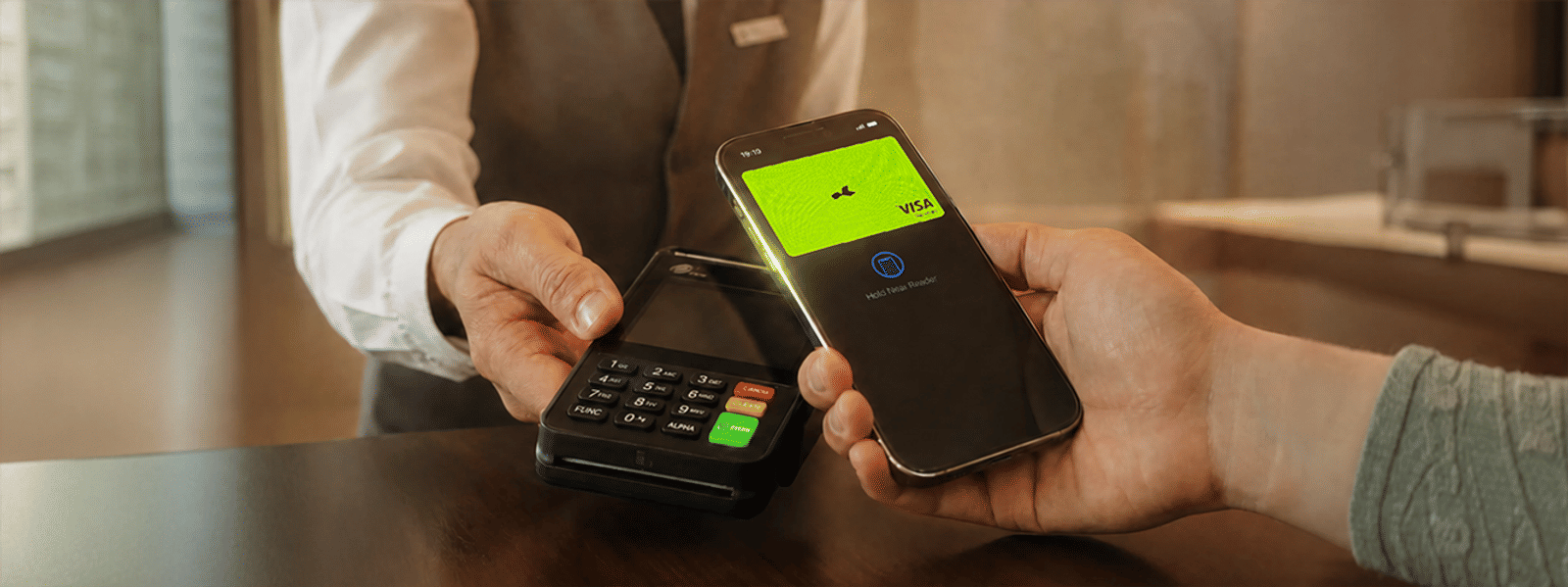
Indonesia welcomes tens of millions of visitors every year, and the country's hotel market spans everything from $15-a-night guesthouses in Yogyakarta to $800-a-night villas on the Seminyak cliffs. What unites every type of traveller — budget backpacker, luxury holidaymaker, and location-independent professional — is the need for a reliable, low-friction way to pay. A crypto card for hotels in Indonesia fills that role for the growing share of travellers who hold digital assets and would rather spend from their crypto portfolio than convert funds through a traditional bank. This guide explains what to look for, how the payment process works, and why karta.io stands out as one of the most practical solutions available in 2026.
Crypto card for hotels Indonesia – why use it
Why use a crypto card for hotels in Indonesia
The practical case for a crypto card for hotels in Indonesia starts with convenience. Carrying large amounts of Indonesian rupiah for hotel deposits, room upgrades, spa bookings, and restaurant charges at the hotel is cumbersome and exposes travellers to currency risk every time the exchange rate shifts. A crypto debit card eliminates that problem by converting digital assets to the settlement currency at the moment of payment, whether that is USD, EUR, or IDR.
Rate stability is another advantage. With a pre-funded card, travellers know exactly what is available to spend before they check in, avoiding the unpleasant situation of a card being declined at the front desk because a fiat bank account was short of funds due to a transfer delay. Some crypto cards also offer cashback structures on hotel spending, adding a modest financial benefit to each stay. Finally, using a dedicated crypto card for hotel payments keeps travel spending neatly separated from everyday crypto holdings, simplifying expense tracking after the trip.
Typical situations: online booking vs check-in payment
Hotel payments in Indonesia fall into two broad categories. The first is online pre-booking through platforms like Booking.com, Agoda, Expedia, or directly on hotel websites. These platforms collect card details at the time of reservation — sometimes charging immediately, sometimes holding an authorisation that is only settled at check-in or check-out. The second category is on-property payment: the physical card transaction at the front desk when the hotel pre-authorises a deposit on arrival or charges for extras like minibar, room service, laundry, or late check-out.
Both scenarios require a card that works reliably with international Visa or Mastercard acceptance infrastructure. A virtual card handles the online booking side perfectly; a physical card is needed for the front-desk and POS-terminal scenarios. Ideally, a crypto card solution covers both.
How karta.io fits the need for a crypto card for hotels in Indonesia
karta.io addresses both scenarios directly. The virtual card, issued within minutes of account funding, can be used on any hotel booking platform that accepts Visa. The physical karta.io card can be presented at hotel front desks, used at in-hotel POS terminals, and left as a deposit guarantee for the duration of the stay. Both cards draw from the same crypto-funded balance, so there is no need to maintain separate accounts for online and offline hotel spending. Topping up is straightforward: transfer supported cryptocurrencies to the karta.io wallet, and the balance is available to spend immediately at the converted fiat value.
Best crypto card for booking hotels in Indonesia 2026
How to book hotels with a crypto card in Indonesia
Booking a hotel in Indonesia with a crypto card follows the same steps as any standard online reservation, with one preparation step added at the front: funding the card before the booking session begins. The sequence on a platform like Booking.com or Agoda looks like this:
1. Search for your hotel and select the room type and dates. 2. On the payment screen, choose 'Credit or Debit Card' as the payment method. 3. Enter the karta.io Visa card number, expiry date, and CVV from your karta.io app. 4. If the platform sends a 3D Secure verification request, approve it through the karta.io app notification or SMS code. 5. Receive the booking confirmation by email, and keep the karta.io card funded through the stay in case the hotel charges extras at check-out.
The only meaningful difference from a traditional debit card booking is that you need to ensure sufficient crypto balance before checkout. Because karta.io converts at the moment of the transaction, you do not need to pre-convert crypto to fiat — simply hold enough of a supported asset in the wallet.
Best crypto card for booking hotels in Indonesia 2026: key criteria
The best crypto card for booking hotels in Indonesia in 2026 needs to meet a specific set of requirements. Currency support is fundamental: the card must settle in USD or EUR for international hotel bookings, as most OTAs and international hotel chains price their Indonesian inventory in those currencies. Low fees matter significantly when hotel bills can reach several hundred dollars per night — a 3% foreign-transaction fee on a week at a Bali resort adds a noticeable cost.
Reliability with OTA payment gateways is non-negotiable. Some crypto cards are blocked by Booking Holdings or Expedia payment processors because of unusual BIN ranges or lack of 3D Secure support. The card must also handle pre-authorisation holds correctly — when a hotel authorises a security deposit on arrival, the card must support this without the hold causing the remaining balance to drop below the level needed for the nightly rate.
Why karta.io is a strong choice for hotel bookings in Indonesia
karta.io meets all of these criteria in a package designed for international users. Its Visa card number falls within standard BIN ranges that OTAs accept without friction. The 3D Secure flow is supported natively, so checkout on Booking.com, Agoda, and direct hotel websites completes without the verification errors that trip up some crypto card competitors. Fees are disclosed clearly and kept low, making it economical even for extended stays at higher-end properties.
For tourists arriving from Europe, North America, or elsewhere in Asia who may not have an Indonesian bank account, karta.io provides a card that feels identical to a standard international debit card from the hotel's perspective — the crypto-to-fiat conversion happens invisibly on karta.io's side.
Crypto card for hotel bookings Indonesia
Online hotel booking with a crypto card
Online hotel booking with a crypto card for hotel bookings in Indonesia is the most common use case for travellers planning their trip in advance. Platforms like Booking.com, Agoda, Expedia, Hotels.com, and Traveloka all accept Visa debit cards for both immediate-charge bookings and pay-at-property reservations. karta.io's virtual card works on all of these platforms.
For pay-at-property bookings, the platform typically takes a card authorisation — a temporary hold rather than a charge — at booking time to guarantee the reservation. The actual charge happens at the hotel on check-in or check-out. In this case, it is important to ensure the karta.io card remains funded through the entire stay, not just at the booking stage. The virtual card details remain stable, so the same card can be used for both the initial guarantee and the final settlement weeks later.
Offline hotel payments with a crypto card
Paying at the hotel front desk — for the room, for a security deposit, for restaurant meals, spa services, or guided tours booked through the concierge — requires a physical card that can be inserted into or tapped on a POS terminal. The physical karta.io card fulfils this role.
Indonesian hotels ranging from international chains (Marriott, Hyatt, Four Seasons, Accor) to independent boutique properties all use standard Visa-accepting POS infrastructure. The physical karta.io card presents as a standard Visa debit card at these terminals, so no special instructions are needed when handing it to hotel staff. Charges are settled instantly from the crypto-funded balance at the prevailing conversion rate.
How karta.io helps avoid issues with hotel payments in Indonesia
Two problems occur with regularity when crypto cards are used for hotel payments: the card is declined because the payment processor does not recognise the BIN, or the pre-authorisation hold at check-in temporarily reduces the available balance below the level needed for nightly charges. karta.io reduces both risks. The Visa BIN is accepted by mainstream hotel payment processors, and the balance management interface in the karta.io app gives users real-time visibility into available funds and any pending authorisations, so they can top up promptly if the hold reduces headroom.
Crypto debit card for hotels in Indonesia
How crypto debit card for hotels in Indonesia works
A crypto debit card for hotels in Indonesia operates on a debit model: you load the card with cryptocurrency, the platform converts that crypto to fiat at the time of the transaction, and the fiat amount is charged to the hotel. There is no credit line, no borrowing, and no interest. The card spends only what has been pre-loaded, which provides a hard ceiling on spending that many travellers find useful for budgeting.
karta.io uses instant conversion, meaning the crypto-to-fiat exchange happens at the precise moment the card is charged. If you top up with USDT and the hotel charges the card three days later, the conversion rate applied is the rate at the moment of the charge — not the rate at top-up time. For stablecoin users this makes little practical difference, but for those holding BTC or ETH it means the crypto value is preserved until the last possible moment.
Advantages of a crypto debit card when staying in Indonesia
Budget control is one of the clearest advantages: because the card only spends pre-loaded funds, there is no risk of an unexpected overdraft or a hotel charge failing because the card has insufficient credit. Travellers can load exactly the amount budgeted for a specific stay, making expense tracking straightforward.
Transparency of conversion rates is another advantage over traditional currency exchange. Many travellers in Indonesia lose money to poor rates at airport money changers or to dynamic currency conversion offered by hotel POS terminals. With karta.io, the rate is applied by the platform at the inter-bank rate with a disclosed spread, which is typically more favourable than what a physical currency exchange desk offers. Refunds from hotels — for cancelled bookings or disputed charges — return to the karta.io balance in fiat, available for the next hotel payment without requiring a new top-up.
Why karta.io's crypto debit card is convenient for hotel stays
karta.io supports top-ups in multiple cryptocurrencies across several networks, giving users flexibility in how they fund the card. USDT on multiple chains, BTC, ETH, and other supported assets can all be used to load the card balance. This multi-network support is practical for travellers who hold assets across different wallets and want to choose the most convenient top-up method based on current network fees and confirmation times.
Managing the card during a hotel stay is simple through the karta.io app: check the current balance, review recent transactions, and initiate a top-up if needed — all from a smartphone, without visiting a bank branch or currency exchange desk.
Crypto card for paying in hotels Indonesia
How to pay for hotels with a crypto card in Indonesia
How to pay for hotels with a crypto card in Indonesia depends on the payment scenario. For online pre-payment or deposit guarantee, the process is fully digital: enter the karta.io virtual card number, expiry, and CVV on the hotel or OTA website, complete 3D Secure verification if required, and receive the booking confirmation. The charge or hold is processed automatically.
For on-property payment at check-in, hand the physical karta.io card to the front desk agent or insert it into the chip reader at the POS terminal. Contactless payment is supported where the hotel's terminal allows it. For larger charges — such as a deposit guarantee of several hundred dollars — the terminal may prompt for PIN entry, which is set up through the karta.io app. At check-out, any additional charges are settled in the same way, and the balance is debited instantly.
Typical issues with paying in hotels and how to avoid them
The most common issues when using a crypto card for paying in hotels in Indonesia are: insufficient balance at the time of a hold or charge, card decline due to BIN filtering by the hotel's payment processor, and delay between topping up the card and the funds becoming available for spending.
Insufficient balance is the easiest to prevent: check the karta.io balance before check-in and ensure it covers the room rate plus a reasonable buffer for incidentals and the deposit hold. BIN-related declines are rare with karta.io due to its mainstream Visa BIN, but if a decline occurs on a direct hotel website, trying the same card on a major OTA like Booking.com often succeeds because OTAs use more permissive payment routing. Top-up delays are generally minimal with karta.io — most deposits are processed within minutes — but initiating the top-up a few hours before a critical payment provides extra confidence.
How karta.io reduces payment problems in Indonesian hotels
karta.io's architecture reduces the main friction points in hotel payment scenarios. The stable Visa BIN ensures compatibility with the payment processors used by major hotel chains and OTAs operating in Indonesia. The instant-conversion engine means the card balance is always current — there is no lag between the crypto market rate and what is available to spend. The app provides real-time transaction notifications, so users know immediately whether a charge has gone through, which is particularly useful when a hotel charges multiple items over the course of a stay and balance tracking becomes important.
Crypto card for Bali hotel payments
Why Bali needs a strong crypto card for hotel payments
Bali occupies a unique position in the Indonesian hospitality market. The island hosts some of the most expensive villa rentals in Southeast Asia — properties in Seminyak, Ubud, and Canggu routinely command nightly rates of $300 to $2,000 — alongside a thriving mid-range hotel scene and a large supply of budget guesthouses and homestays. This price diversity, combined with Bali's status as a global hub for digital nomads and crypto-native travellers, makes it the single most important destination in Indonesia for a reliable crypto card for Bali hotel payments.
Digital nomads based in Bali are among the most active crypto spenders in the region. Many receive income in cryptocurrency, prefer to maintain minimal exposure to traditional banking, and need a card that works across the full range of accommodation from a $30-a-night guesthouse in Canggu to a $500-a-night villa with a private pool. A single card that handles all of these without configuration changes is a genuine convenience.
Typical use cases in Bali hotels
The typical crypto card for Bali hotel payment scenarios include: booking a villa or resort in advance through Booking.com or Airbnb using a virtual card, paying the room deposit at check-in at a luxury Seminyak resort using the physical card, settling the restaurant bill for dinner at the hotel's in-house restaurant, purchasing a spa package at the property's wellness centre, and paying for a day trip or cooking class booked through the hotel concierge.
Longer stays — a month-long Bali villa rental, for example — create additional payment touchpoints: weekly settlements, cleaning fee charges, pool maintenance add-ons, and similar recurring costs. A pre-funded crypto card that covers all of these from a single balance is substantially more convenient than managing multiple fiat transfers for each individual charge.
How karta.io works in Bali hotel payments
Using karta.io for Bali hotel payments requires no special setup beyond having the card funded and the app installed. For luxury resorts that operate their own direct booking websites, the virtual karta.io Visa card enters the payment fields exactly like any other international card. For on-property charges at five-star properties — where the front desk processes deposits of several hundred dollars — the physical karta.io card handles the POS transaction reliably.
For digital nomads who use Airbnb or direct villa rental platforms for longer Bali stays, the virtual card works for the initial booking payment and for any additional charges billed to the card during the stay. The karta.io balance can be topped up remotely via crypto transfer, so there is no need to visit a bank or currency exchange desk even during an extended Bali stay.
Crypto card for digital nomads booking hotels in Indonesia
How crypto card for digital nomads in Indonesia works
A crypto card for digital nomads booking hotels in Indonesia needs to function as a complete financial instrument for a constantly mobile lifestyle. Digital nomads in Indonesia rarely stay in one city for more than a few weeks — they move between Bali, Jakarta, Lombok, the Gili Islands, Yogyakarta, and Komodo, mixing hotel stays with longer-term apartment rentals and co-living arrangements. Each relocation involves a hotel booking, often made at short notice when plans change.
A crypto card that can be topped up from anywhere using standard crypto networks, used for online booking within minutes of the top-up, and then presented physically at check-in covers the full nomadic workflow. karta.io's combination of virtual and physical cards, accessible through a single app and a single balance, fits this use case precisely.
Typical hotel-related expenses for digital nomads
Digital nomads in Indonesia accumulate hotel-adjacent expenses beyond just the nightly room rate. Co-working space memberships are sometimes billed to a card on file. Hotel cafes and restaurants serving as informal offices generate daily food and beverage charges. Airport transfers booked through hotel concierges, SIM card purchases at hotel front desks, and laundry services all contribute to the total bill. Managing all of these from a single pre-funded crypto card keeps accounting simple and reduces the number of payment methods a nomad needs to carry.
For nomads who manage business expenses and personal spending from the same crypto income stream, karta.io's transaction history provides a clean export of all charges by date, merchant, and amount — useful for tax reporting in jurisdictions where crypto-funded spending is a reportable event.
Why karta.io is ideal for digital nomads booking hotels in Indonesia
karta.io is built for exactly the international, crypto-native, permanently-mobile user profile that characterises the Indonesia digital nomad community. One card works across all of Indonesia's major tourism destinations and in any other country the nomad visits — Southeast Asia, Europe, or elsewhere — without requiring a local bank account or currency exchange visit in each location. The top-up process is entirely remote: send crypto from any wallet on a supported network, and the balance is available in minutes.
The absence of complicated KYC queues or native-token staking requirements — common friction points with exchange-native crypto cards — means new nomads arriving in Indonesia can set up and fund a karta.io card within the same day they decide they need one, without waiting for identity verification workflows that can take days on competing platforms.
Crypto card Indonesia review and comparison
General crypto card for hotels Indonesia review in 2026
The crypto card options available to travellers booking hotels in Indonesia in 2026 fall into three categories. The first is exchange-native cards: Binance Card and Crypto.com Card are the two most widely recognised. These benefit from large user bases and support for a wide range of cryptocurrencies, but they impose native-token staking requirements to unlock competitive fee tiers (BNB for Binance, CRO for Crypto.com), and their KYC processes can take several days to complete — a significant friction point for travellers who need a card quickly.
The second category is traditional fintech cards with crypto top-up features, such as Wirex and Revolut's crypto offering. These work well in Europe and North America but frequently encounter acceptance issues in Southeast Asia, including on Indonesian OTAs and at hotel POS terminals that use local payment processors with more restrictive BIN filtering.
The third category — standalone crypto debit card services like karta.io — is designed specifically for international spenders in markets like Indonesia, where neither exchange-native cards nor European-focused fintech cards deliver consistent results.
karta.io vs other crypto cards for hotel payments in Indonesia
Comparing karta.io directly to its main alternatives on the metrics that matter most for Indonesian hotel payments: onboarding speed, fee transparency, international acceptance, and physical card availability.
Against Binance Card: karta.io does not require holding a platform token, which lowers the barrier to entry significantly. Binance Card's acceptance in Indonesia can be inconsistent on local OTA platforms like Traveloka and Tiket.com due to BIN filtering. karta.io's Visa BIN is accepted more broadly on these platforms.
Against Crypto.com Card: the CRO staking requirement to access zero-fee tiers makes Crypto.com Card expensive for users who simply want a functional debit card without maintaining a token position. karta.io's fees are flat and disclosed without any staking requirement.
Against Wirex: Wirex's European regulatory focus means its cards sometimes fail at Indonesian hotel POS terminals and on local booking platforms. karta.io is designed for international use from the outset, with infrastructure calibrated for markets including Southeast Asia.
Why karta.io is one of the best options for paying in hotels in Indonesia
karta.io combines the features that matter most for hotel payments in Indonesia: a Visa card that works on international OTAs and at hotel front desks, instant crypto-to-fiat conversion that keeps the balance current, transparent fees without native-token prerequisites, and both virtual and physical card options to cover online booking and on-property payment scenarios.
For tourists who want to spend their crypto holdings on a Bali villa without the overhead of exchange accounts and token staking, for digital nomads who need a card that follows them across Indonesia's island chain and beyond, and for international business travellers who prefer to keep travel spending in crypto, karta.io delivers a practical, low-friction experience that most alternatives cannot match consistently in the Indonesian market.
In summary, karta.io is one of the most convenient and reliable crypto card choices for booking and paying for hotels in Indonesia. Whether you are planning a luxury Bali resort stay weeks in advance or booking a last-minute guesthouse in Lombok from your laptop, karta.io provides the card infrastructure — virtual for online booking, physical for the front desk — that turns a crypto balance into a fully functional hotel payment solution, without the complexity, delays, or token requirements that complicate the alternatives.