How to Legally Pay with Crypto
Crypto payments are no longer experimental. Businesses routinely pay for software, advertising, digital services, and international contractors using Bitcoin and stablecoins. Freelancers accept USDT as a standard settlement method. Still, understanding how to legally pay with crypto depends less on the asset itself and more on how each payment is structured within a secure crypto payments system.
In 2026, legality is defined by tax treatment, identity verification, and compliance with AML frameworks. Lawful payment use of digital assets is determined by crypto payments KYC requirements, applicable tax rules, and cross-border transaction structuring, reflecting the reality of legal crypto payments 2026 across multiple jurisdictions.
Is It Legal to Pay with Crypto in 2026?
In most major jurisdictions, digital asset payments are permitted under specific regulatory conditions. The UAE, the EU, the United States, and Singapore all allow such transactions, provided reporting and verification standards are met under local regulations for crypto companies UAE and comparable international frameworks.
Understanding how to legally pay with crypto starts with a basic distinction. Legality is determined by the payment process rather than by whether Bitcoin or a stablecoin is used. Regulators focus on transparency, auditability, and counterparty identification as part of global KYC regulations for crypto.
As a result, the legal use of crypto for purchases generally requires payments to pass through identifiable platforms. Direct, anonymous transfers may still exist technically, but they fall outside compliant financial activity and are unsuitable for business use.
Tax Implications of Crypto Payments
From a tax perspective, a payment made with digital assets is usually treated as a disposal. This is why crypto payments tax implications apply even when crypto is used for routine business services or operational expenses.
Tax treatment varies by jurisdiction. In the UAE, most individuals face no personal tax, while businesses still record expenses and valuations. In the EU and the United States, such payments may trigger capital gains or losses based on market value at settlement, including the taxation of stablecoin payments where applicable.
To manage reporting crypto payments for tax, businesses typically document:
- the asset and amount used;
- the fiat value on the transaction date;
- invoices and blockchain transaction identifiers.
This documentation becomes critical during audits or cross-border reviews and forms the basis of compliant expense accounting.
Paying for Goods and Services with Crypto Legally
Digital assets are widely used for SaaS tools, hosting, advertising platforms, consulting, and online subscriptions. Physical retail acceptance is expanding but remains secondary.
For both individuals and companies, paying for goods and services with crypto legally requires licensed intermediaries. Informal wallet-to-wallet transfers may work for personal use but introduce risk in commercial contexts.
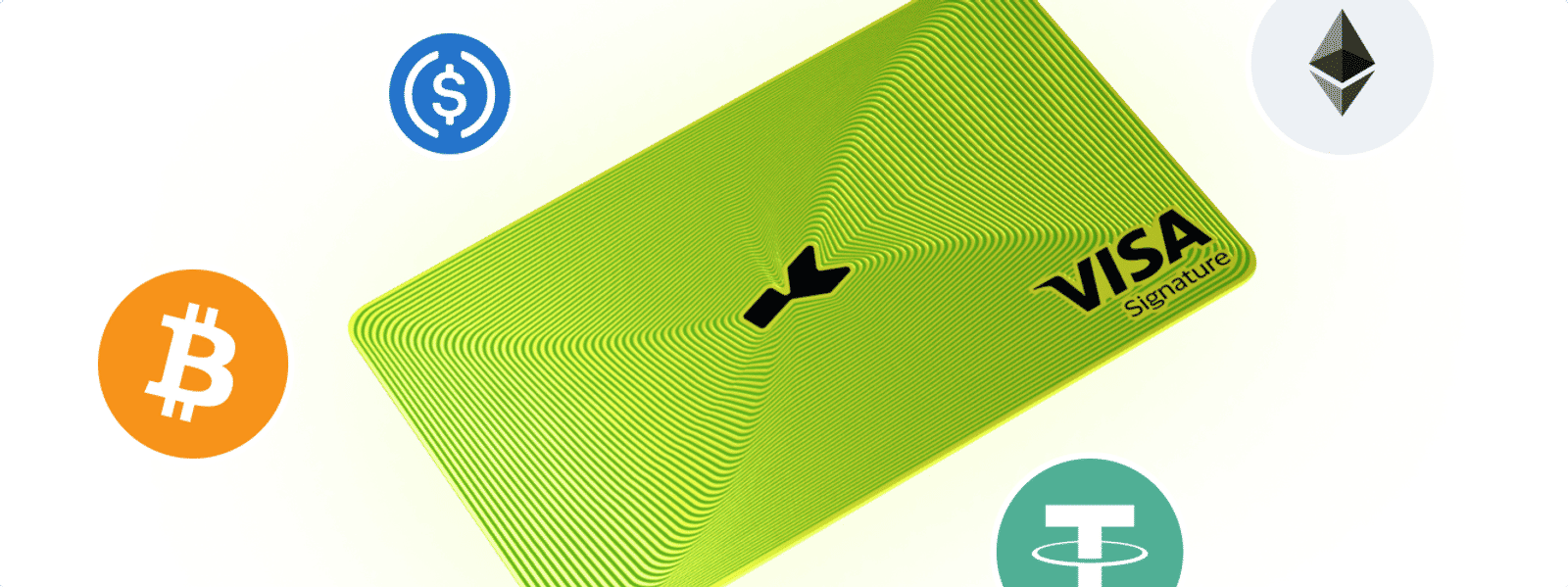
Platforms like Karta.io provide businesses with Visa crypto cards that meet global KYC/AML requirements. The model supports the legal use of crypto for purchases while keeping spending compatible with traditional merchant systems.
KYC and AML Requirements for Crypto Payments
KYC verifies who is sending or receiving funds. AML focuses on transaction monitoring and risk detection. Together, they define modern crypto payments KYC requirements.
Businesses cannot legally send or accept payments at scale without identification. Individuals usually complete KYC, while companies undergo KYB, including ownership and control checks.
In regulated payment systems, KYC/AML for accepting crypto is part of onboarding rather than an optional step. Karta.io applies KYC in up to five minutes for freelancers and KYB in around fifteen minutes for businesses, aligning automatically with global KYC regulations for crypto.
AML Rules and Global Standards for Crypto Transactions
AML enforcement follows international standards rather than local rules alone. One of the most relevant frameworks is the Financial Action Task Force Travel Rule, which requires identity data to accompany qualifying transfers. In practice, FATF Travel Rule crypto transactions apply once transaction values exceed common thresholds, often starting at USD 1,000.
Regulatory oversight is handled by multiple authorities, including VARA in Dubai, FCA in the UK, FinCEN and the SEC in the United States, as well as ESMA in the European Union. These institutions enforce AML rules for crypto payments to ensure transaction traceability, counterparty identification, and risk monitoring.
For international companies and freelancers, AML compliance is not a formal requirement alone. It directly affects account access, payment continuity, and long-term crypto compliance for businesses, especially when operating across multiple jurisdictions or relying on external banking partners.
How Karta.io Ensures Legal Compliance
Karta.io maintains full compliance with global KYC/AML standards while offering instant crypto-to-fiat Visa payments.
The service is designed for users who need legally defensible payment flows rather than ad-hoc digital asset transfers.
Compliance is implemented through a unified operational framework:
- Fast KYC for individuals (around five minutes) and structured KYB for businesses (around fifteen minutes).
- Visa card issuing via Banco Popular de Puerto Rico, a licensed Visa issuer and Member FDIC.
- Alignment with PSD2 requirements and the FATF Travel Rule crypto transactions framework.
- Support for USDT and USDC balances with built-in financial reporting and analytics.
Beyond onboarding and transaction controls, the platform supports practical spending workflows for advertising, subscriptions, and SaaS services. Expenses are logged with clear identifiers, which simplifies reconciliation and internal reviews.
This approach positions Karta.io as a crypto compliance solution for business, delivering a KYC/AML Visa crypto card within a tax-ready crypto payments system suitable for regulated environments.
Reporting Crypto Payments for Business and Taxes
Accurate recordkeeping is a core requirement for compliant use of digital assets. For reporting crypto payments for tax, businesses must be able to reconstruct each transaction in a verifiable and consistent format.
Tax-ready records should include:
- the asset used for payment and the blockchain network;
- the applicable fiat exchange rate on the transaction date;
- the transaction identifier and documented payment purpose.
These elements establish the taxable value of each expense and support auditability across jurisdictions. Missing exchange rates or incomplete identifiers are common sources of compliance issues when stablecoins or other assets are used for operational spending.
For international operations, manual tracking does not scale. Using a corporate card or a service with built-in reporting allows transactions to be logged automatically with standardized fields and timestamps. This reduces reconciliation errors and ensures consistent treatment of cross-border expenses.
Platforms such as Karta.io provide integrated analytics dashboards that consolidate spending across merchants, currencies, and services. Exportable transaction histories simplify accounting workflows and support long-term crypto compliance for businesses.
How to Stay Legally Compliant When Paying with Crypto
To meet regulatory requirements for crypto payments, users should follow a small set of consistent practices that reduce legal and tax exposure:
- Use regulated platforms and compliant cards for all operational spending.
- Complete KYC or KYB without shortcuts before initiating payments.
- Store receipts and transaction confirmations for tax and audit purposes.
- Prefer stablecoins when predictable valuation is required.
These steps keep how to legally pay with crypto clear, traceable, and defensible across jurisdictions.
Final Thoughts — Make Crypto Payments Compliant and Easy
Digital asset payments are legally viable when registration, verification, and tax reporting are handled correctly. When compliance is built into the payment flow, this model becomes a practical financial tool rather than a regulatory risk.
Karta.io bridges crypto and compliance — pay and report with confidence under global regulatory standards.